


What is a bridge plug made of?
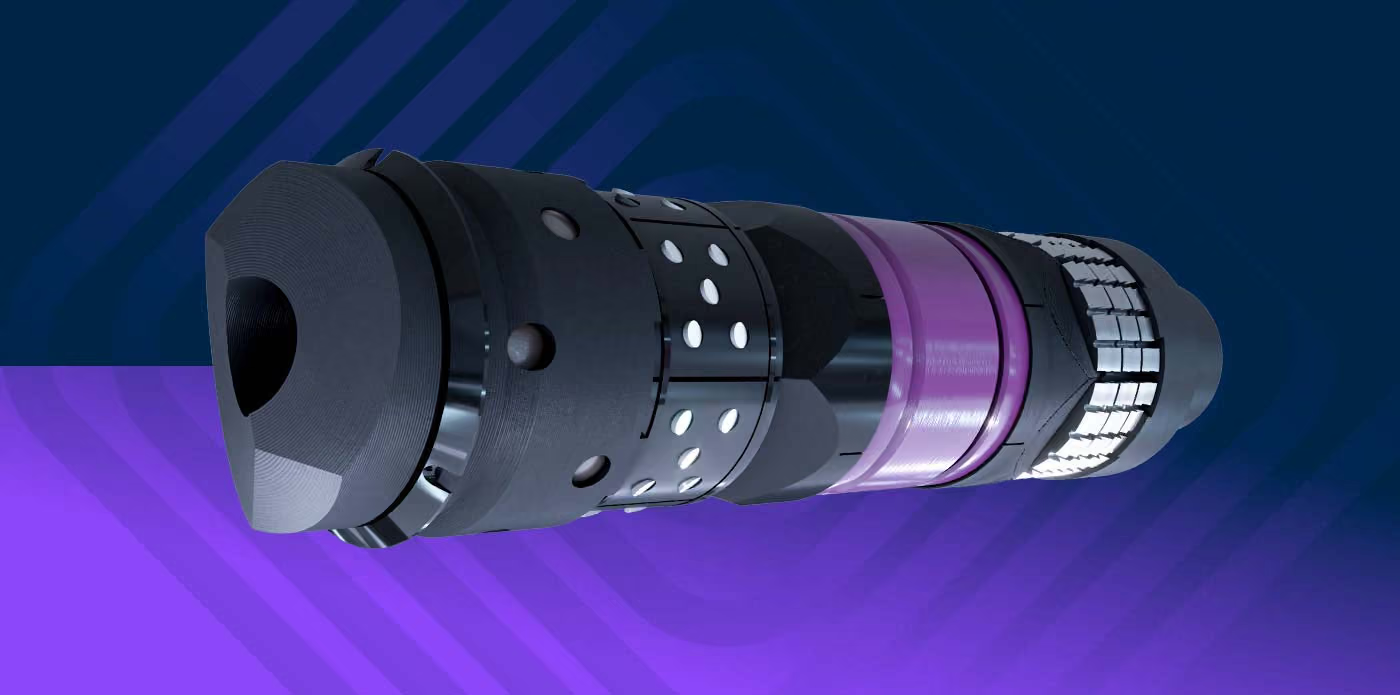
Bridge plugs are often made with cast iron to allow for permanent isolation. Some plugs, like the PurpleSeal™ composite bridge plug, use composite materials for greater durability and an even more straightforward drill-out. Or, if you like the traditional approach, you can get PurpleSeal™ bridge plugs with a cast iron upper slip for added holding strength.
What are the different parts of a bridge plug?
While bridge plugs can vary depending on the manufacturer, this type of frac plug generally includes:
- Mandrel: This is the central component that forms the core of the bridge plug. It gives the plug a rigid structure that supports the exterior load-bearing components and element sealing.
- Slips & Cones: There are two slips on a frac plug: upper and lower. When the plug is engaged, these cast iron wicker slips or ceramic button slips move up their respective cones and expand outward to bite into the casing.
- Sealing Element: In the case of the PurpleSeal™ composite bridge plug, the signature purple rubber element provides over 1” of engagement with the casing. It’s backed up with two outer elements to add additional anti extrusion for extended hold times.
What are the different types of bridge plugs?
There are two main types of bridge plugs: permanent and temporary. Like the names suggest, you’ll typically choose one or the other depending on how long you need the plug to last.
Permanent bridge plugs are used to seal off zones long-term when a zone or well is going to be abandoned. These plugs are designed with longer-lasting materials that can stand up to high pressure and temperatures downhole for longer durations.
Temporary bridge plugs are used as a short-term measure to isolate different zones within the wellbore or while you’re waiting to drill out. They aren’t meant to last forever, so they’re designed to be easily removed when you no longer need them.
Bridge plugs also come in different frac plug sizes to fit all kinds of wellbores. And even though your bridge plug likely contains cast iron, that doesn’t mean it has to be bulky. You can get a slimmed-down plug that’s optimized for heavier walled casing.
Why are bridge plugs used?
Bridge plugs are used downhole to provide temporary zonal isolation in the wellbore. This keeps fluid and gas from moving between different zones of the reservoir. If a well is being abandoned, bridge plugs also keep zones sealed off long-term. This is important when your operation has to follow strict regulations for safety and compliance.
What’s the difference between frac plugs and bridge plugs?
When you’re comparing frac plugs vs bridge plugs, there are a few key differences to look out for:
- Pressure Isolation: Both frac plugs and bridge plugs drill out well, but bridge plugs give you confidence that the plug is sealed through both the plug interior diameter (ID) and the casing ID. That’s because most frac plugs use a ball and seat, while bridge plugs like the PurpleSeal™ bridge plug use composite components to permanently block the plug ID.
- Material Composition: While frac plugs are made with composites and other drillbit-friendly frac plug materials, bridge plugs can use ceramic or high-strength cast iron for their slips and teeth to ensure longer-term holding strength.
- Drill-Out Speed: Frac plugs are generally known to drill out faster than bridge plugs, with small cuttings that allow for higher speeds. Bridge plugs can take longer because of their added length and additional components—especially if you’re using a cast iron bridge plug.
Want to learn more about how PurpleSeal™ bridge plugs perform downhole? Read our case study about a 19,585-ft lateral well in the Marcellus Basin, the longest in Pennsylvania history. You can also contact us for product specs and other information.
.jpg)
