



Better known as simul frac and trimul frac operations, these approaches allow operators to stimulate multiple wells simultaneously instead of pumping one well at a time. This keeps crews moving and equipment working, giving you more pumping hours and faster pad development.
In this article, we'll explain what simul fracs and trimul fracs are, how they work, why operators use them—and why they aren't always the right fit for every completions program.
What is a simul frac?
A simul frac (short for simultaneous fracturing) is a completion operation where two wells are hydraulically fractured at the same time using a shared frac spread. In a traditional completion, crews stimulate one well and then move to the next. In a zipper frac, they alternate between wells to reduce downtime. In a simul frac, they're pumping into two wells simultaneously.
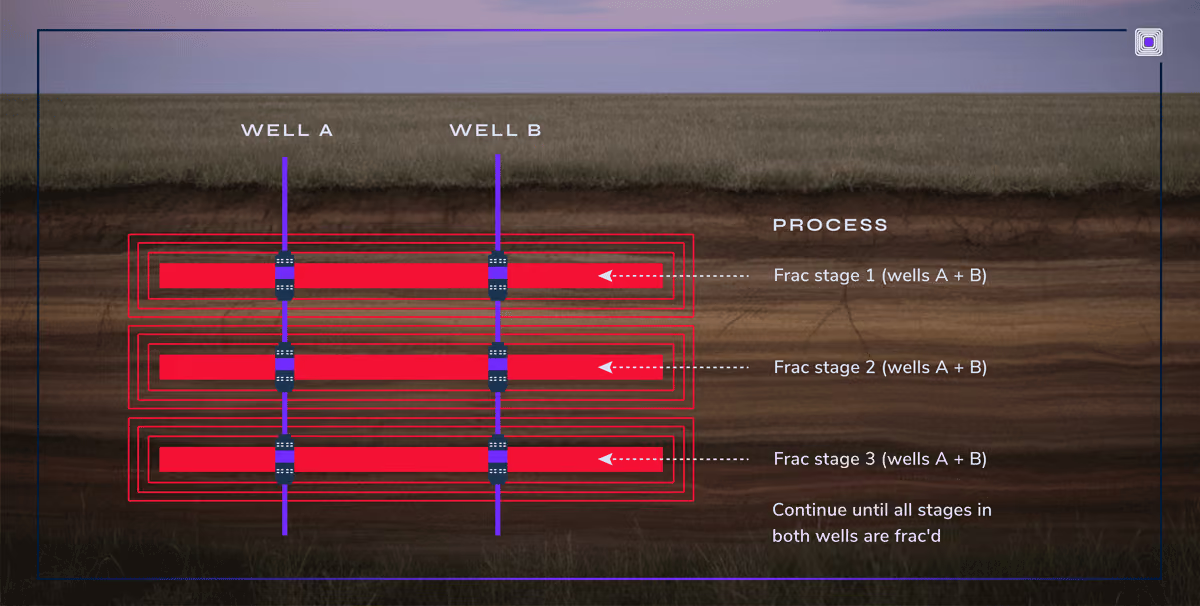
The goal is to increase equipment utilization. Instead of having pumps waiting for wireline, pressure testing, or stage preparation, operators can maintain momentum and stay working throughout the day. Operators like Matador Resources have run simul and trimul frac programs to save $250K–$350K per well.
What is a trimul frac?
A trimul frac extends the same concept one step further. Instead of stimulating two wells at the same time, a trimul frac pumps into three wells. It’s miles more efficient than simul frac or even zipper frac operations, but the tradeoff is added complexity. More wells means more pumping equipment and manifold infrastructure, higher sand and water demand, more coordination between crews, and more opportunities for something important to go sideways.
How does simultaneous frac’ing work?
At a high level, simul frac and trimul frac follow the same workflow as conventional hydraulic fracturing. The difference is that multiple wells are being treated at the same time. A typical operation looks something like this:
- Multiple wells are drilled from the same pad. Operators drill several wells from a common surface location. These wells are typically targeting the same formation or nearby benches to simplify completion design and logistics.
- Wireline prepares the next stages. Wireline crews perforate the casing and prepare upcoming stages. Depending on the operation, multiple wireline units may be working simultaneously to stay ahead of the frac schedule.
- Surface equipment distributes fluid to multiple wells. Frac pumps, manifolds, and treating iron are configured to direct fluid and proppant into multiple wellbores at the same time. This would be two wells for a simul frac and three for a trimul frac.
- Wells are pumped simultaneously. Fluid and sand are injected into multiple wells at once. Each well may have different treating pressures, but operators carefully manage rates and hydraulics to maintain effective stimulation across all active stages.
- The cycle repeats. As stages are completed, crews move to the next interval and continue pumping. The objective is to keep equipment use high and eliminate as much non-productive time as possible.
What are the benefits of simultaneous frac’ing?
The biggest advantage of simul frac and trimul frac operations is efficiency. Each well still requires the same amount of fluid, proppant, and engineering, no matter how many you’re running. The difference is how quickly operators can carry out the work.
By pumping multiple wells at the same time, operators can reduce completion schedules, increase stages completed per month, and improve overall fleet utilization. You could find you’re completing 50% more stages per month while reducing days on location by the same amount. Faster completions can also lower per-well costs and bring production online sooner.
Simply put, simul and trimul frac'ing help operators get more work out of the same equipment while spending less time waiting between stages.
Why don't operators always simul frac or trimul frac?
Pumping two wells at once (or more) isn't as simple as hooking up another line and hoping for the best. Simul frac operations require more planning, equipment, logistics, and coordination between crews. Keeping multiple wells pumping simultaneously requires a steady supply of sand, water, chemicals, and equipment. If logistics fall behind, so do the efficiency gains.
Not every pad is a good candidate, either. Simultaneous fracturing typically works best when operators have several similar wells ready for completion, as well as geology that supports a repeatable development plan. Some assets simply don't offer enough scale to justify the added complexity.
Because a simul or trimul frac operation stimulates multiple wells at the same time, it consumes completed wellbore inventory at roughly 2–3 times the pace of a conventional single-well frac crew. To prevent the frac fleet from catching up and forcing expensive white space on the calendar, drilling programs need to accelerate their schedules and maintain a steady, aggressive pace to stay ahead of the faster completion timeline.
There's also less room for error. Equipment failures, supply interruptions, bottom hole pressure anomalies, or other issues can have a bigger impact when multiple wells are tied into the same operation. The rewards are huge, but so are the planning requirements. That means copy-and-paste engineering has absolutely no place in simul and trimul frac completions.
Simul frac best practices
Successful simul and trimul frac operations are built on preparation. Operators typically see the best results when they:
- Maintain reliable sand and water logistics
- Keep wireline ahead of the frac schedule
- Monitor pressures across active wells
- Establish clear communication between crews
Simultaneous frac'ing rewards discipline. The better your planning and coordination before pumping starts, the more likely you’ll see the efficiency gains these operations can deliver.
FAQ
What's the difference between a simul frac and a zipper frac?
A zipper frac alternates between wells, with only one well being pumped at a time. A simul frac pumps into two wells simultaneously. While both approaches are more efficient than traditional one-well-at-a-time operations, simultaneous fracturing is usually the faster completions method.
What's the difference between a simul frac and a trimul frac?
A simul frac stimulates two wells at the same time, while a trimul frac stimulates three wells.
Does simul frac improve well productivity?
The primary goal of simultaneous fracturing is to improve operational efficiency. Reservoir productivity is always important, but it’s not the point. The benefit comes from completing wells faster and reducing completion costs, not necessarily from creating larger fractures.
Is trimul frac becoming more common?
Yes. Several major operators have expanded trimul frac programs in recent years as they’re looking to develop pads faster and boost their operational efficiency.
Get the best frac'ing support in the business
Simul frac and trimul frac operations are designed to keep equipment working and complete more wells in less time. But even the best completions schedule in the world won't save a frac plug that can't hold a seal.
At Repeat Precision, we help operators execute completions with field-proven downhole tools, including frac plugs, perforating guns, setting tools, and integrated tool systems. They’re designed to run fast, set clean, hold isolation, and drill out efficiently. Looking to improve your next completion? Contact us today and let's talk shop.
.jpg)